The Foundations of Aromatherapy Candle Massage
Candle massage treatments are an amalgamation of heat therapy and oil-based bodywork treatments. Instead of what typical candles are, these candles are made using waxes safe for the skin and combined with essential oils; these waxes, when melted, turn into warm nourishing oils that may be applied directly to the skin.
Candle massage fits in within the broader lines of spa tradition, where heat relaxes muscles and enhances absorption. In the UK spa scenes, which are deeply influenced by Thai wellness practices, the process is seen as a sensorial as well as a functional one.
How Massage Candles Differ from Standard Candles
Massage candles are formulated with a lower melting point, allowing the wax to become a comfortably warm liquid rather than a hot one. This makes them suitable for direct contact with the skin without causing discomfort. The ingredients are typically chosen for their moisturising properties, including natural oils and butters.
In contrast, standard candles are not designed for skin use and may contain additives unsuitable for topical application. The distinction is essential within spa therapy, where safety and consistency are key considerations in treatment design.
The Role of Heat in Muscle Relaxation
Heat plays a significant role in preparing the body for massage. When warm oil is applied to the skin, it helps increase circulation and soften muscle tissue. This can make manual techniques such as kneading and pressure work more effective.
In treatments inspired by Thai spa rituals, warmth is often combined with rhythmic movements to create a balanced experience. The use of heated oils from candles fits naturally within this framework, supporting both relaxation and physical comfort.
Sensory Experience and Environment
Beyond physical effects, aromatherapy candle massage contributes to the overall atmosphere of a spa setting. The soft light of the candle, combined with its scent, creates a calming environment that supports mental relaxation.
This sensory layering is an important aspect of Thai-inspired spa treatments in the UK, where the goal is not only to address physical tension but also to provide a structured escape from everyday stressors.
Essential Oils and Their Function in Spa Therapy
Essential oils are a central component of aromatherapy candle massage. Extracted from plants, these oils are valued for their aromatic and topical properties. In spa contexts, they are selected based on their potential to support relaxation, invigoration, or skin nourishment.
In the UK wellness market, the use of essential oils reflects both traditional practices and modern expectations around natural ingredients. Their role extends beyond fragrance, contributing to the perceived effectiveness of the treatment.
Common Essential Oils Used in Massage Candles
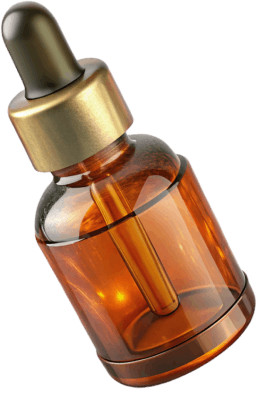
A variety of essential oils are used in aromatherapy candles, each chosen for specific characteristics. Lavender is often associated with relaxation, while eucalyptus is linked to a sense of clarity and freshness. Citrus oils such as orange or bergamot are commonly used to create an uplifting atmosphere.
These selections are not random but are typically aligned with the intended outcome of the treatment. In Thai-inspired therapies, blends may also incorporate herbal notes that reflect traditional formulations.
Skin Benefits and Absorption
When applied through warm oil, essential oils are absorbed alongside carrier oils into the skin. This process allows for hydration while also delivering the aromatic compounds directly to the body.
The combination of heat and oil helps improve absorption rates, making the treatment both a sensory and topical experience. In spa settings, this dual function is often highlighted as part of a holistic approach to care.
Aromatherapy and Emotional Wellbeing
Scent plays a powerful role in influencing mood and perception. Essential oils used in massage candles contribute to this effect by engaging the olfactory system. Certain aromas are associated with calming responses, while others may feel energising.
Within Thai spa traditions, the connection between scent and emotional balance is well established. UK spas adopting these practices often incorporate carefully selected oil blends to support a structured relaxation process.
A Modern Interpretation of Traditional Wellness
The merging of traditional spa practices and modern wellness trends, an aromatherapy candle massage results in being a perfect comer. This massage involves the use of heat, essential oils, and tactile therapy for structured relaxation episodes of 60 minutes and beyond, both comprising Thai influences and UK market expectations. The massage is obviously an evergreen treatment within spa settings and spas reveal, to this day, the uncluttered relevance of sensory-orientation toward modern wellbeing.